manual focus lens
Manual focus lenses offer photographers direct control, bypassing automated systems․ Recent innovations, like Viltrox NexusFocus, are revitalizing their appeal in 2026, blending classic technique with modern technology․
What are Manual Focus Lenses?
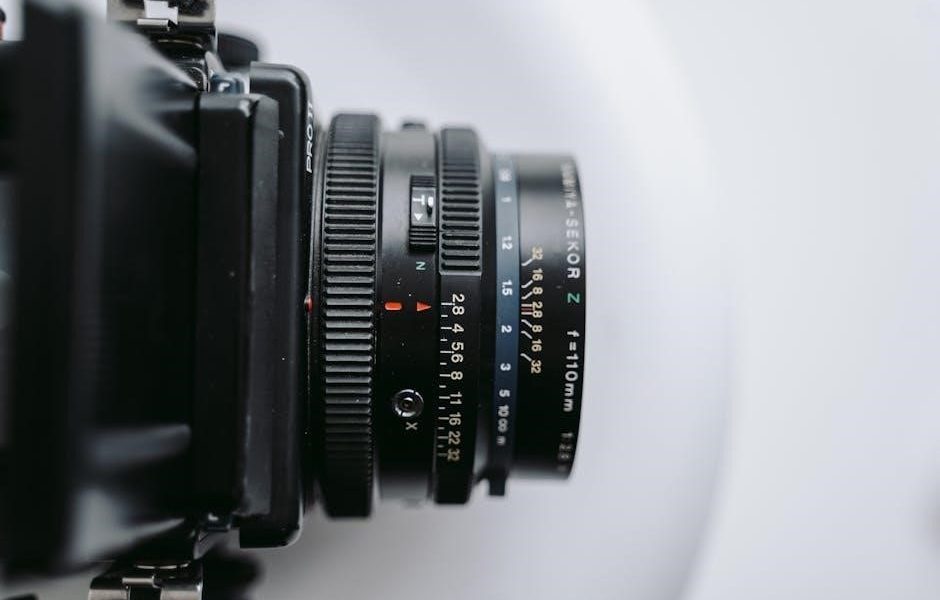
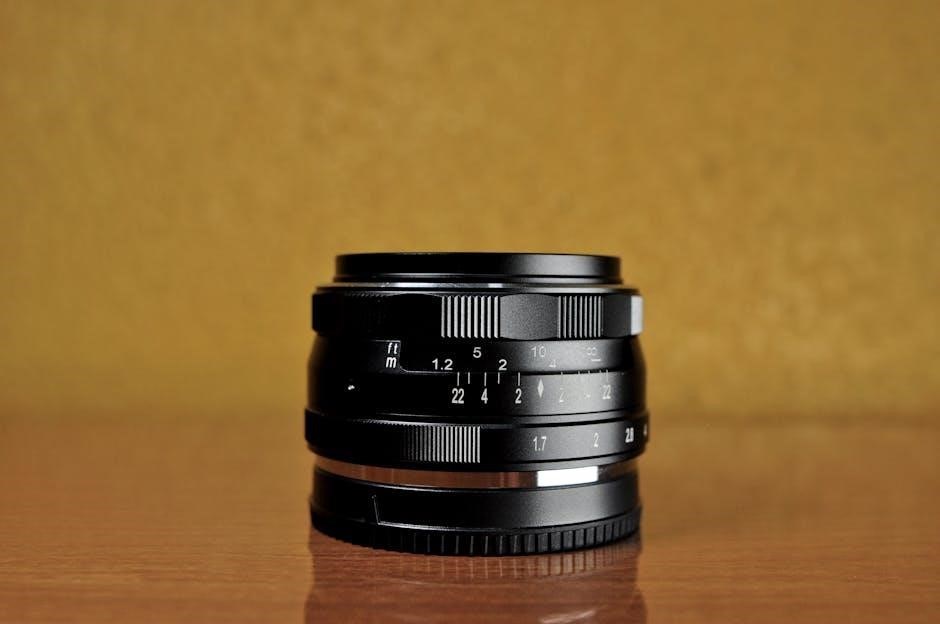
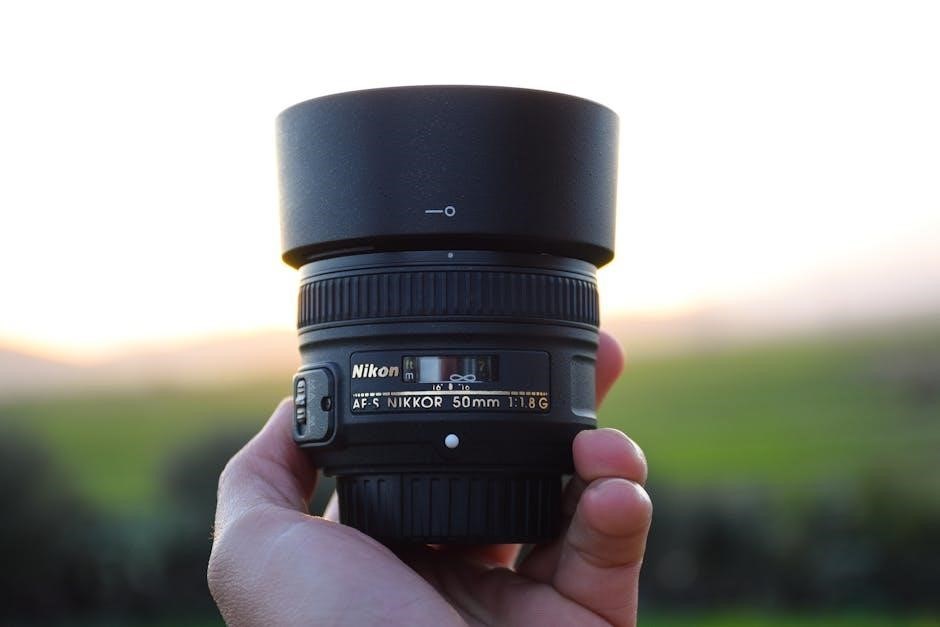
Manual focus lenses, fundamentally, require the photographer to physically rotate the focusing ring on the lens itself to achieve sharpness․ Unlike autofocus lenses, they lack an internal motor to automatically adjust focus․ This direct control allows for precise adjustments, especially crucial in challenging situations where autofocus systems might struggle․
Historically standard, these lenses are experiencing a resurgence, driven by a desire for a more tactile and deliberate photographic process․ Modern adaptations, utilizing features like focus peaking and magnification, enhance usability․ They represent a connection to the core principles of photography, demanding skill and attention to detail from the user․
The Resurgence of Manual Focus in Modern Photography
Manual focus lenses are seeing a remarkable comeback, fueled by photographers seeking greater creative control and a deeper connection with their craft․ This revival isn’t simply nostalgia; innovations like the Viltrox NexusFocus adapter, bringing autofocus capabilities to manual lenses, are key․
Bing’s search data from 2026 indicates increased interest in manual focusing techniques․ Copilot Search aids discovery, while photographers value the unique aesthetic and precision manual focus offers․ This trend reflects a move towards intentionality in image creation, beyond relying solely on automated systems․

Benefits of Using Manual Focus Lenses
Manual focus lenses provide enhanced control, a deeper photographic connection, and often cost less․ They unlock unique creative possibilities, appealing to enthusiasts and professionals alike․
Enhanced Control and Precision
Manual focus lenses grant photographers unparalleled control over their image, moving beyond the algorithms of autofocus systems․ This direct manipulation allows for incredibly precise focusing, especially crucial in scenarios where autofocus struggles – low light or complex subjects․
Unlike relying on a camera’s interpretation, the photographer dictates the focal plane, ensuring the intended subject is perfectly sharp․ This level of control is highly valued by those seeking artistic vision and technical accuracy, offering a tangible connection to the photographic process․
Developing a Deeper Connection with Your Photography
Manual focus lenses foster a more intimate relationship between the photographer and their craft․ By actively engaging in the focusing process, you become acutely aware of subtle details and nuances within the scene․ This deliberate act slows down the photographic process, encouraging mindful composition and a deeper understanding of light and subject matter․
It’s a return to the fundamentals, demanding patience and skill, ultimately leading to a more rewarding and creatively fulfilling experience․ This connection transcends simply taking a picture․
Cost-Effectiveness Compared to Autofocus Lenses
Manual focus lenses often present a significantly more affordable entry point into high-quality optics․ Historically, and continuing into 2026, they generally carry a lower price tag than their autofocus counterparts, especially when considering vintage or third-party options․ This makes them attractive for photographers on a budget or those building a lens collection․
Adapting older manual lenses to modern cameras, utilizing adapters, further enhances their value, offering premium image quality without the premium cost․
Unique Aesthetic and Creative Opportunities
Manual focus lenses encourage a deliberate, thoughtful approach to photography, fostering a deeper connection between photographer and subject․ This intentionality often translates into a unique aesthetic, distinct from the clinical precision of autofocus․ Photographers gain complete control over the focal plane, enabling creative choices like selective focus and dreamy bokeh․
Exploring techniques, and utilizing features like focus peaking, unlocks artistic possibilities unavailable with automated systems, as of 2026․

Types of Manual Focus Lenses
Manual focus lenses encompass diverse options: standard primes, wide-angle, telephoto, and specialty lenses like tilt-shift and macro, catering to varied photographic needs and styles․
Standard Prime Lenses
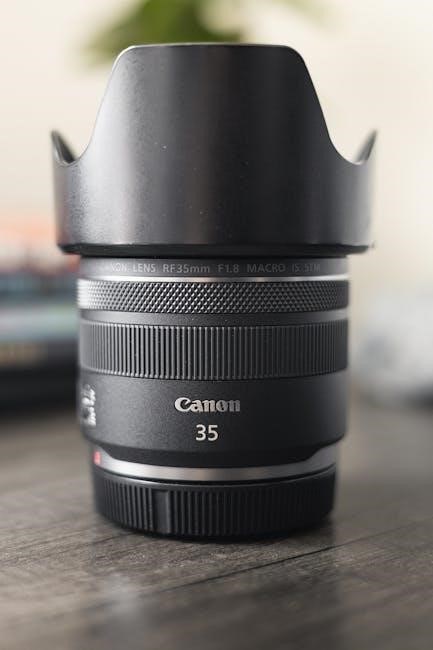
Standard prime lenses, typically ranging from 35mm to 50mm, are foundational for manual focus photography․ They offer exceptional image quality and sharpness, encouraging deliberate composition and focusing techniques․ These lenses excel in various genres, including street and portrait photography, due to their versatile focal lengths․
Their relatively wide apertures allow for shallow depth of field and effective low-light performance․ Many photographers favor these lenses for developing a deeper connection with the focusing process, enhancing creative control and precision․ They represent a cost-effective entry point into the world of manual focus․
Wide-Angle Manual Lenses
Wide-angle manual lenses, generally below 35mm, are prized for their expansive views and dramatic perspectives․ Mastering manual focus with these lenses is crucial for landscape and architectural photography, demanding precise control over depth of field․ They require careful attention to sharpness across the frame, especially at wider apertures․
These lenses often necessitate techniques like rocking the focus ring to ensure critical sharpness․ Their use fosters a deliberate approach to composition, enhancing the photographer’s connection to the scene and resulting in unique aesthetic opportunities․
Telephoto Manual Lenses
Telephoto manual lenses, typically exceeding 70mm, present unique focusing challenges due to their shallow depth of field and magnification․ Accurate manual focus is paramount for wildlife, sports, and distant subjects, demanding precise technique and a steady hand․ Utilizing focus peaking and magnification features on modern cameras becomes essential․
These lenses benefit greatly from the rocking technique, ensuring critical sharpness․ Adapting these lenses often requires high-quality adapters to maintain optical quality and functionality, enhancing creative control․
Specialty Lenses (Tilt-Shift, Macro)
Specialty manual focus lenses, like tilt-shift and macro lenses, demand exceptional precision․ Tilt-shift lenses require careful manipulation of plane of focus, best achieved with manual control․ Macro lenses, with their extreme close-up capabilities, necessitate critical focusing for sharp details․
Adapters and focus peaking are invaluable tools․ Viltrox NexusFocus offers autofocus assistance, but mastering manual focus enhances creative possibilities․ These lenses often benefit from magnification for pinpoint accuracy․

Adapting Manual Lenses to Modern Cameras
Adapters bridge older manual lenses to modern mounts․ Focus peaking and magnification assist with precise focusing; Viltrox NexusFocus provides autofocus solutions for manual lenses in 2026․
Using Adapters for Different Mounts
Adapters are crucial for utilizing vintage or legacy manual focus lenses on contemporary mirrorless or DSLR camera bodies․ These devices physically connect lenses with incompatible mounts, allowing full functionality – though typically without electronic communication․
A wide variety of adapters exist, catering to numerous mount combinations․ Considerations include build quality, precision, and potential for light leaks․ While adapters generally don’t introduce optical degradation, cheaper models might exhibit play or looseness․ Successful adaptation unlocks a world of creative possibilities, offering access to unique optics and character․
Focus Peaking and Magnification Assistance
Modern cameras offer invaluable tools to aid manual focus lens operation․ Focus peaking highlights in-focus areas with color outlines, providing immediate visual feedback․ This feature dramatically simplifies achieving critical sharpness, especially with fast apertures or challenging subjects․
Magnification allows photographers to zoom into the image on the LCD screen, enabling precise focus confirmation․ Combining both techniques – peaking for initial accuracy and magnification for fine-tuning – ensures consistently sharp results․ These digital assists bridge the gap, making manual focusing accessible and reliable․
Viltrox NexusFocus and Autofocus Adapters
Viltrox NexusFocus, announced January 15th, 2026, represents a significant advancement for manual focus lens users․ This new autofocus solution brings automated focusing capabilities to manual cinema lenses via adapters․ It effectively bridges the gap between the tactile control of manual glass and the convenience of autofocus․
These adapters allow photographers to utilize older, high-quality lenses on modern mirrorless systems with autofocus functionality․ This innovation expands creative possibilities, offering a compelling alternative to native autofocus lenses and enhancing workflow efficiency․
Techniques for Accurate Manual Focusing
Achieving sharp focus with manual focus lenses requires understanding depth of field, utilizing focus peaking, magnification, and mastering the rocking technique for precision․
Understanding Depth of Field
Depth of field (DOF) is crucial for manual focus mastery․ It represents the zone of acceptable sharpness in an image․ A wider aperture (e․g․, f/1․4) creates a shallow DOF, ideal for isolating subjects in portraits, requiring precise focusing․ Conversely, a narrower aperture (e․g․, f/16) yields a larger DOF, beneficial for landscapes where overall sharpness is desired․
Factors influencing DOF include aperture, focal length, and subject distance․ Longer focal lengths and closer subject distances reduce DOF, demanding careful manual focus adjustments․ Understanding these relationships empowers photographers to intentionally control sharpness and creative effects․
Using Focus Peaking Effectively
Focus peaking is an invaluable aid when using manual focus lenses․ This feature highlights in-focus areas with color outlines – typically red, white, or yellow – on your camera’s display․ It’s not foolproof; fine-tune based on magnification․ Adjust peaking sensitivity to avoid false positives, especially with high-contrast scenes․
Combine peaking with magnification for critical accuracy․ Remember, peaking indicates what is in focus, not necessarily what you want in focus․ Practice recognizing the subtle cues and trust your eye alongside this technological assistance․
Employing Magnification for Critical Focus
Magnification is essential for achieving pinpoint accuracy with manual focus lenses․ Most modern cameras offer live view magnification, allowing you to zoom in on the image sensor․ This reveals minute details, confirming sharpness where it matters most – typically the eyes in portraiture․
Carefully examine textures and edges․ Cycle through magnification levels to assess focus at different zoom ratios․ Combine magnification with focus peaking for a powerful focusing workflow, ensuring critical sharpness in your final images․
Rocking Technique for Sharpness
The rocking technique is a valuable method for fine-tuning focus with manual focus lenses․ Gently rock your camera body back and forth while observing the subject through the viewfinder or live view․ Notice how the image momentarily sharpens and softens as you move․
This subtle motion helps you identify the precise point of critical focus․ Combine this with magnification for even greater precision․ It’s a tactile way to ‘feel’ when sharpness is achieved, bypassing reliance solely on visual cues․
Manual Focus vs․ Autofocus: A Detailed Comparison
Manual focus prioritizes control and precision, while autofocus excels in speed and efficiency․ The choice depends on the photographer’s needs and creative vision․
Speed and Efficiency
Autofocus systems demonstrably outperform manual focus in terms of speed, particularly crucial for capturing fleeting moments in dynamic scenarios like sports or wildlife photography․ Modern autofocus algorithms, powered by AI as seen in Bing’s Copilot Search, rapidly acquire and maintain focus on moving subjects․
Manual focus, conversely, requires deliberate action from the photographer, making it slower․ However, this deliberate process can be advantageous in situations where autofocus struggles, such as low-light conditions or when shooting through obstructions․ While not efficient for rapid shooting, it offers a focused, intentional approach․
Accuracy and Reliability
Autofocus systems, while fast, aren’t always infallible․ They can be misled by low contrast, complex patterns, or rapidly changing scenes, leading to misfocused images․ Bing’s search algorithm, though sophisticated, mirrors this – relevance isn’t always guaranteed․
Manual focus, when executed correctly, offers unparalleled accuracy․ The photographer directly dictates the focal plane, eliminating reliance on algorithms․ This reliability is especially valuable in critical applications like astrophotography or macro work, where precise focus is paramount․ However, it demands skill and practice․
Creative Control
Manual focus lenses empower photographers with a level of creative control absent in autofocus systems․ Unlike algorithms dictating the focal point, the photographer intentionally chooses what’s sharp and what’s not, fostering unique artistic expression․
This deliberate choice allows for selective focus, drawing attention to specific elements within a scene․ Bing’s related searches, similarly, offer curated pathways, but manual focus provides direct control over the image’s narrative․ It’s about vision, not prediction, enabling a deeper connection to the photographic process․
Best Manual Focus Lenses for Different Budgets
Exploring manual focus lenses reveals options for every price point, from affordable entry-level choices to high-end cinema lenses, often adaptable with tools like Viltrox NexusFocus․
Entry-Level Options
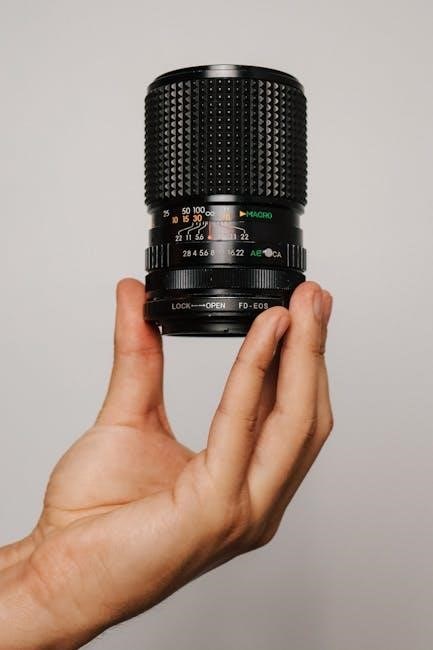
For photographers starting with manual focus, several lenses provide excellent value․ Older, used lenses adapted to modern mounts are a cost-effective route, offering character and build quality․ Consider brands like Olympus or Canon FD lenses, readily available and often under $200․
These lenses require adapters, but with features like focus peaking available on many cameras, achieving sharp images is manageable․ While lacking autofocus, they build essential focusing skills․ Explore options from Samyang/Rokinon for newer, budget-friendly manual lenses designed for mirrorless systems, offering good optical performance․
Mid-Range Choices
Stepping up from entry-level, mid-range manual focus lenses balance price and performance․ Brands like Voigtlander offer exceptional sharpness and build quality, particularly their primes for mirrorless systems, typically ranging from $500-$1200․ These lenses often feature all-metal construction and smooth focusing rings․
Consider older Leica R lenses adapted to modern mounts for a classic experience․ They deliver superb image quality but require careful adapter selection․ These options provide a noticeable upgrade in optical clarity and build, enhancing the manual focusing experience․
High-End Manual Lenses
For uncompromising image quality, high-end manual focus lenses represent the pinnacle of optical engineering․ Leica, Zeiss, and Canon (vintage) dominate this space, with prices often exceeding $2000․ These lenses deliver exceptional sharpness, beautiful bokeh, and robust build quality, ensuring a lifetime of use․
Investing in these lenses provides a unique tactile experience and allows for ultimate creative control․ Coupled with modern adapters and features like focus peaking, they offer a compelling alternative to autofocus, appealing to discerning photographers․

Manual Focus for Specific Photography Genres
Manual focus excels in genres demanding precision, like landscape, portraiture, street, and astrophotography․ It allows deliberate composition and critical sharpness, enhancing artistic vision․
Landscape Photography
Manual focus is invaluable for landscape photography, demanding absolute sharpness from foreground to infinity․ Utilizing techniques like rocking the focus ring ensures maximum detail across expansive scenes․ Depth of field becomes a crucial consideration, meticulously controlled for artistic effect․
Unlike autofocus, manual control eliminates the risk of the camera hunting for focus on unwanted elements․ This precision is vital when capturing sweeping vistas or intricate details in nature․ The deliberate process fosters a deeper connection with the environment and the final image․
Portrait Photography
Manual focus excels in portraiture, allowing precise control over the focal point – often the subject’s eyes․ This deliberate approach surpasses autofocus accuracy, especially in challenging lighting or with shallow depths of field․ Rocking the focus ring ensures critical sharpness where it matters most․
The photographer’s intentionality translates into a more intimate and connected portrait․ Manual focus encourages a slower, more thoughtful process, fostering a stronger rapport with the subject and resulting in emotionally resonant images․
Street Photography
Manual focus lenses are surprisingly effective for street photography, demanding pre-visualization and quick reactions․ Zone focusing – pre-setting a focus distance and waiting for subjects to enter that plane – is a popular technique․ This allows for rapid capture of fleeting moments without relying on autofocus hunting․
The deliberate process encourages a more engaged approach to observing the environment, enhancing the photographer’s connection to the scene and resulting in authentic, candid images․
Astrophotography
Manual focus lenses are essential for astrophotography, where autofocus systems often struggle with the lack of contrast in the night sky․ Achieving pinpoint star sharpness requires precise focusing, often utilizing magnified live view and techniques like the Bahtinov mask․
The deliberate control offered by manual focus allows astrophotographers to fine-tune their images, capturing faint details and minimizing star trails․ Adapters enable using vintage lenses on modern cameras for this purpose․
Bing Search and Manual Focus Lens Information (as of 03/09/2026)
Bing’s AI-powered Copilot Search assists in discovering manual focus lenses, offering contextual answers and exploring related topics via web, image, and video searches․
Bing’s Search Capabilities (Web, Image, Video, News, Maps)
Bing provides diverse search options crucial for manual focus lens research; Web searches uncover articles and reviews, while image searches showcase lenses on cameras․ Video searches reveal tutorials and comparisons, aiding technique understanding․ News searches highlight recent lens releases and industry trends․
Furthermore, Bing Maps can locate retailers selling these lenses․ As of March 9th, 2026, Bing’s algorithm prioritizes relevant results, leveraging its understanding of search queries to deliver comprehensive information about manual focus lenses and related accessories․
Bing’s Algorithm and Relevance
Bing’s complex algorithm, updated as of 2026, aims to deliver highly relevant results for “manual focus lens” queries․ It analyzes keywords, website authority, and user engagement signals․ This ensures that articles, retailer pages, and video tutorials on manual lenses rank higher․
The algorithm understands nuanced searches, like “best vintage manual focus lenses,” providing tailored results․ Bing’s integration of LLMs and SLMs further refines search accuracy, understanding the context behind the user’s intent when researching these lenses․
Bing’s Related Searches Feature (Experimentation with Headers & Sticky Searches)
Bing is actively testing new approaches to its “Related Searches” feature as of late 2025․ Experiments include headers like “Get detailed results” and “What others are searching for,” replacing the standard list․ A notable test involves “sticky” related searches, remaining visible on the right as users scroll․
For “manual focus lens” queries, related terms like “vintage lenses,” “focus peaking,” and “lens adapters” appear․ These features aim to boost user engagement and guide exploration of the topic, offering a more interactive search experience․
Utilizing Bing Search Suggestions for Lens Research
Bing’s search suggestions are a powerful tool for manual focus lens research․ As you type, Bing predicts and offers related queries, revealing popular search terms․ For example, typing “manual focus lens” might suggest “manual focus lens adapter,” “best manual focus lens,” or specific brands like “vintage manual focus lenses․”
These suggestions reflect current user interests and can uncover niche lenses or helpful resources․ Leveraging these prompts expands your search beyond initial keywords, leading to more comprehensive results․
Troubleshooting Common Manual Focus Issues
Common issues with manual focus lenses include back/front focus, low-light difficulties, and parallax error․ Careful technique and adapter quality are crucial for accurate results;
Back Focus and Front Focus
Back and front focus errors occur when the point of sharpest focus doesn’t align with your intended subject․ With manual lenses, these aren’t typically caused by autofocus calibration issues, but rather by slight imperfections in the lens itself, or improper focusing technique․
Carefully examine your focusing screen and ensure precise alignment․ Adapters can sometimes exacerbate these issues, so using high-quality adapters is essential․ Testing with a focus chart and magnification can help diagnose and minimize these focusing discrepancies, leading to sharper images․
Difficulty Focusing in Low Light
Manual focusing in low light presents unique challenges due to reduced visibility․ Utilizing focus peaking, available on many modern cameras, becomes crucial, highlighting in-focus areas․ Employing magnification is also essential for critical sharpness assessment․
Slower shutter speeds or increased ISO can aid visibility, but introduce other compromises․ A bright focusing aid, like a flashlight, can temporarily illuminate the subject․ Patience and deliberate technique are key to achieving accurate focus when light is limited․
Parallax Error
Parallax error occurs when the image seen through the viewfinder doesn’t perfectly align with what the lens is capturing, especially at close focusing distances․ This discrepancy arises from the physical separation between the viewfinder and the lens․
It’s more pronounced with wide-angle lenses and can lead to misfocused images․ Careful observation and slight adjustments to focus are needed to compensate․ Using live view and magnification minimizes parallax, offering a more accurate representation of the focused area․
The Future of Manual Focus Lenses
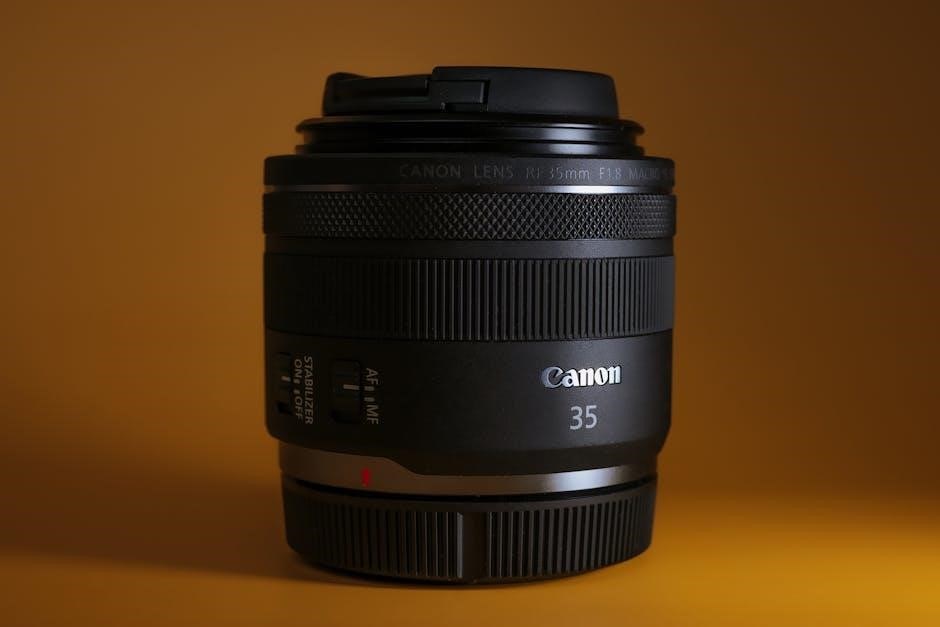
Manual focus lenses will likely integrate with AI and autofocus adapters, driven by enthusiast demand․ Copilot Search will aid lens discovery, enhancing the user experience․
Integration with AI and Autofocus Adapters
The convergence of artificial intelligence and manual focus lenses represents a significant evolution․ Products like Viltrox NexusFocus demonstrate the feasibility of bringing autofocus capabilities to traditionally manual lenses, bridging the gap between classic control and modern convenience․
AI algorithms could potentially assist with focus peaking and magnification, predicting optimal sharpness based on scene analysis․ This synergy promises to enhance the usability of manual lenses, appealing to a broader range of photographers seeking both creative control and technological assistance․ Further advancements are anticipated by 2026․
Continued Demand from Enthusiasts and Professionals
Despite advancements in autofocus technology, a dedicated community continues to champion manual focus lenses․ Enthusiasts appreciate the deliberate process and deeper connection it fosters with their photography․ Professionals, particularly in genres like landscape and astrophotography, value the precision and control manual focus provides․
This sustained demand fuels innovation in adapters and accessories, like those from Viltrox, catering to this niche market․ The resurgence suggests manual focus isn’t a relic, but a conscious choice for discerning photographers in 2026․
The Role of Copilot Search in Lens Discovery
Microsoft’s Copilot Search, integrated within Bing and Edge, is transforming how photographers research manual focus lenses in 2026․ Its AI-powered capabilities deliver smarter, contextual answers, moving beyond simple keyword matching․ Copilot can synthesize information from various sources, aiding in informed decisions․
Users can explore topics and follow research flows, streamlining the lens discovery process․ This connected experience helps photographers navigate the complexities of adapting lenses and understanding their unique characteristics․
Leave a Reply
You must be logged in to post a comment.