
presto 23 quart pressure canner manual
Presto is a distributed, open-source SQL query engine, adept at handling large datasets from diverse sources, empowering businesses to tackle big data challenges effectively.
What is a Pressure Canner?
A pressure canner is a specialized piece of kitchen equipment designed to process foods in sealed jars at high temperatures – specifically, 240°F (116°C) – which is significantly hotter than boiling water. This elevated temperature is crucial for safely preserving low-acid foods like vegetables, meats, and poultry.
Unlike water bath canning, which relies on boiling water, pressure canning eliminates the risk of botulism, a potentially fatal foodborne illness. The sealed environment and high heat destroy Clostridium botulinum spores, ensuring long-term food storage safety. It’s a vital tool for home food preservation.
Why Choose the Presto 23 Quart Model?
The Presto 23 Quart Pressure Canner stands out due to its generous capacity, ideal for processing larger batches of food – perfect for gardeners or those who enjoy bulk canning. Its user-friendly design incorporates a clear, easy-to-read dial gauge for accurate pressure monitoring.
Presto’s reputation for durability and safety is well-earned, and this model is constructed from heavy-gauge aluminum. It’s compatible with all standard stovetops and offers a reliable, efficient canning experience for both beginners and experienced users.
Understanding the Components
Presto utilizes a distributed SQL query engine, querying large datasets from various sources, enabling organizations to address data problems at scale efficiently.
Canner Body and Lid
The Presto 23 Quart’s robust canner body, typically constructed from heavy-gauge aluminum, ensures even heat distribution for safe and efficient processing. The lid features a secure locking mechanism, vital for maintaining consistent pressure during canning. Proper alignment is crucial; always ensure a complete seal before operation. Inspect the gasket regularly for cracks or damage, replacing it as needed to prevent pressure loss. The body’s generous size accommodates various jar sizes, while the lid’s design facilitates easy venting and pressure regulation, essential for preserving food safely.
Pressure Regulator and Gauge
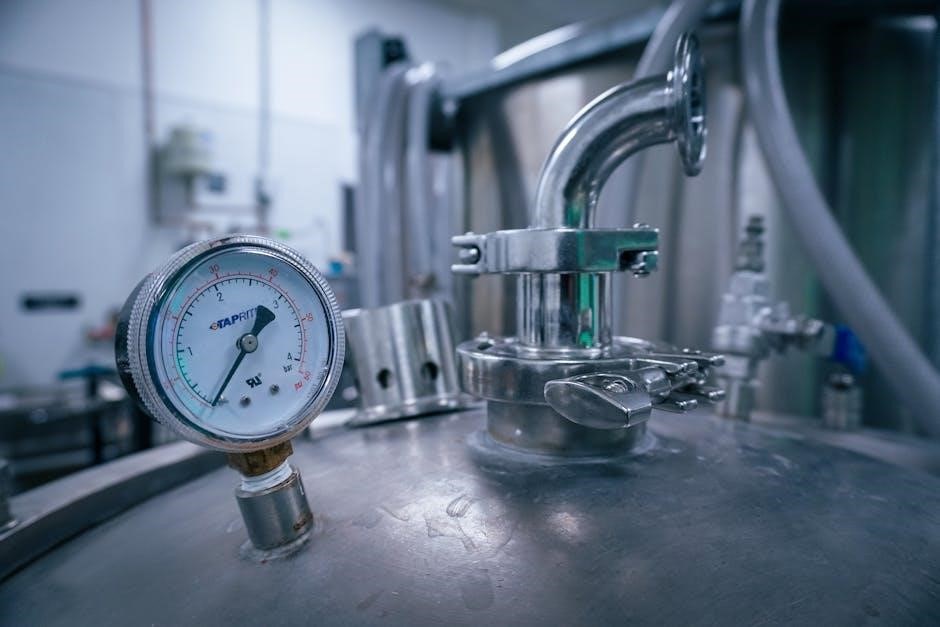
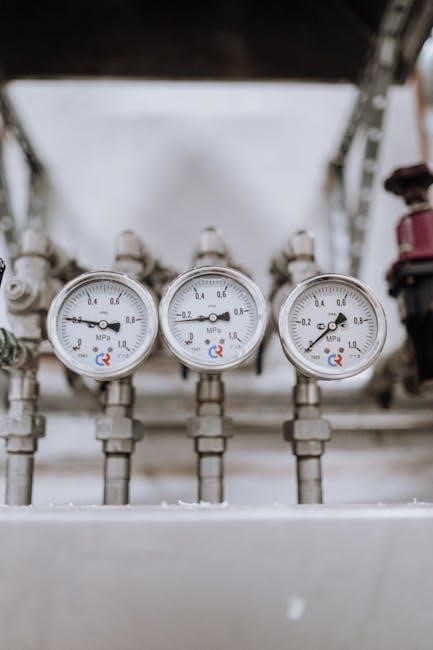
The Presto 23 Quart utilizes a pressure regulator to maintain the desired internal pressure, crucial for safe food preservation. This regulator features weighted options corresponding to different processing pressures. The pressure gauge accurately displays the internal pressure, allowing for precise monitoring during operation. Regularly verify gauge accuracy; if it’s inaccurate, replacement is necessary. Understanding the relationship between pressure and altitude is vital, as adjustments are required for higher elevations to ensure proper processing and prevent spoilage.
Rack and Jar Capacity
The Presto 23 Quart pressure canner includes a sturdy rack designed to elevate jars off the canner’s bottom, ensuring even heat distribution during processing. This model accommodates up to 7 pint jars, 4 quart jars, or a combination, maximizing canning efficiency. Always consult the manual for specific jar size and quantity recommendations based on the food being preserved. Proper jar spacing is essential for adequate heat circulation and successful sealing, preventing potential spoilage.

Safety First: Important Precautions
Prioritize safety by thoroughly reading the manual before operation, inspecting for damage, and understanding proper venting procedures to prevent accidents during pressure canning.
Reading the Manual Thoroughly
Before your first use, dedicate ample time to meticulously read the entire Presto 23 Quart Pressure Canner manual. This crucial step ensures a comprehensive understanding of operational procedures, safety guidelines, and potential hazards. The manual details proper techniques for preparing jars, loading the canner, adjusting pressure settings, and troubleshooting common issues.
Ignoring the manual can lead to improper canning, resulting in food spoilage or, more seriously, dangerous situations. Pay close attention to warnings and instructions regarding venting, pressure regulation, and altitude adjustments. Familiarize yourself with all components and their functions for safe and successful canning experiences.
Checking for Damage Before Use
Prior to each canning session, thoroughly inspect your Presto 23 Quart Pressure Canner for any signs of damage. Carefully examine the gasket for cracks, hardening, or deformation, as a compromised gasket prevents a proper seal. Check the venting ports and steam petcock for obstructions, ensuring they are clear for safe pressure release.
Inspect the pressure regulator and gauge for accuracy and any visible damage. A damaged canner or components can compromise safety and lead to unsuccessful canning. Do not use the canner if any damage is detected; contact Presto for replacement parts.
Proper Venting Procedures
Venting is crucial for removing air from the canner before pressurizing, ensuring accurate processing. After securing the lid, leave the vent port open and heat on high until a steady, robust stream of steam escapes for 10 full minutes. This eliminates air, vital for achieving the correct temperature.
After venting, place the weight or close the petcock according to your model’s instructions. Monitor the pressure gauge, allowing it to reach the desired pressure for your recipe and altitude. Improper venting can lead to under-processing and food spoilage.

Preparing Jars and Lids
Proper jar and lid preparation is essential for safe canning; inspect jars for chips or cracks, and ensure lids are free from defects for a secure seal.
Jar Selection and Inspection
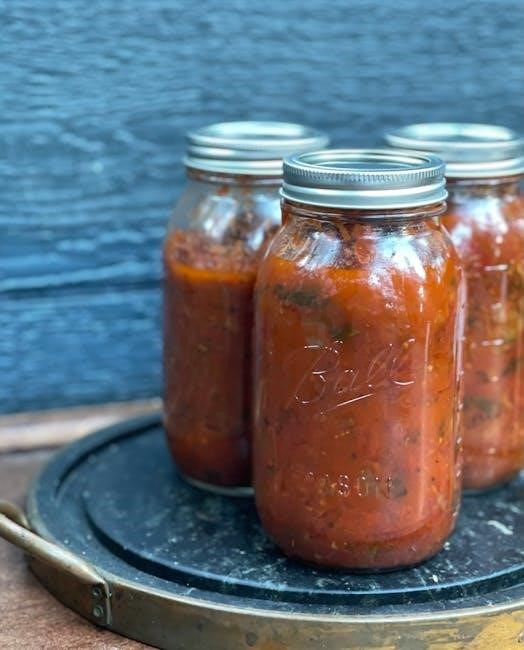
Selecting the right jars is crucial for successful pressure canning with your Presto 23 Quart. Only use jars specifically designed for canning – Mason jars are ideal. Thoroughly inspect each jar before use; check for any nicks, chips, or cracks, especially around the rim. Even minor damage can compromise the seal and lead to spoilage.
Discard any damaged jars immediately. Ensure the jars are clean and free of any residue. Washing jars in hot, soapy water, followed by a rinse, prepares them for the canning process. Using the correct jar type and diligently inspecting them are fundamental safety steps.
Lid Preparation for a Proper Seal
Proper lid preparation is essential for achieving a vacuum seal during pressure canning with the Presto 23 Quart. Modern lids require no pre-heating, unlike older styles. However, follow manufacturer’s instructions carefully. Inspect the sealing compound for any defects or damage; discard damaged lids.
Place the lids in hot (not boiling) water to soften the sealing compound, making it pliable for a better seal. Do not boil the lids, as this can damage the compound; Use a magnetic lid lifter to avoid touching the sealing surface. A properly prepared lid is vital for food preservation.
Hot Packing vs. Raw Packing
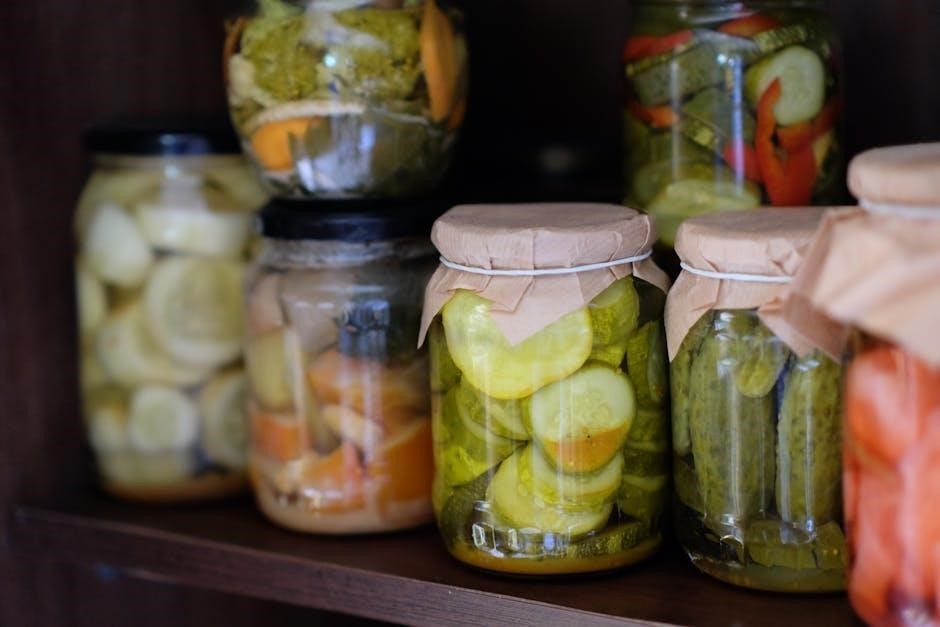
Choosing between hot packing and raw packing impacts canning results with the Presto 23 Quart. Hot packing involves heating food before jarring; this removes air, shrinks contents, and results in a better vacuum seal and brighter color. Raw packing involves placing cold food directly into jars.
Raw packing often leads to more shrinkage during processing, potentially causing liquid loss and seal failures. Hot packing is generally recommended for fruits and tomatoes, while raw packing can be suitable for some vegetables. Always follow tested recipes for optimal safety and quality.
Canning Process: Step-by-Step Guide
Presto’s engine queries large datasets from various sources, enabling businesses to address data problems at scale with its distributed, open-source SQL capabilities.
Adding Water to the Canner
Presto, an open-source, distributed SQL query engine, efficiently queries extensive datasets from multiple sources, assisting organizations in resolving large-scale data issues. It’s a powerful tool for data analysis. The amount of water added depends on the recipe; always consult reliable canning guides. Typically, for the 23-quart canner, 3 inches of water is sufficient. Ensure the jars don’t touch the bottom during processing. Water facilitates heat transfer, creating necessary pressure for safe food preservation. Proper water levels are crucial for achieving the correct processing time and ensuring a safe, sealed product.
Loading Jars into the Canner
Presto, a distributed SQL query engine, excels at querying large datasets from varied sources, aiding businesses in addressing substantial data problems. Carefully place filled jars onto the rack inside the canner, ensuring they don’t directly touch the sides or bottom; Leave adequate space between jars for proper heat circulation. Avoid overcrowding; proper airflow is vital for even processing. Use the rack to prevent heat shock and breakage. Securely load jars to maximize capacity while maintaining safe processing conditions for optimal food preservation.
Securing the Lid and Venting
Presto, an open-source distributed SQL query engine, efficiently queries extensive datasets from multiple sources, assisting organizations in resolving large-scale data issues. Center the lid on the canner, aligning it correctly. Securely fasten the lid, ensuring a tight seal. Begin venting by setting the pressure regulator to the “vent” position. Allow a steady stream of steam to escape for ten minutes to remove air. This crucial step ensures proper pressure build-up and safe canning; air pockets can cause sealing failures.
Pressure Adjustments for Altitude
Presto, a versatile SQL query engine, tackles data problems at scale by querying large datasets from varied sources, offering robust analytical capabilities.
Understanding Altitude and Processing Times
Presto’s strength lies in its ability to query massive datasets across multiple sources, providing a unified view of data for comprehensive analysis. As altitude increases, atmospheric pressure decreases, impacting the boiling point of water and, consequently, the required processing pressure for safe canning.
Higher elevations necessitate increased pressure and/or longer processing times to achieve the necessary temperature for destroying harmful microorganisms. Failing to adjust for altitude can result in under-processed food, posing a serious health risk. Accurate altitude determination is crucial for safe and effective canning practices with your Presto 23 Quart.
Adjusting Pressure Based on Elevation
Presto’s distributed architecture allows for parallel processing, significantly accelerating query execution speeds, even with extremely large datasets. Adjusting pressure is vital for safe canning at elevations above sea level. The Presto 23 Quart requires increased weighted pressure as altitude rises to maintain the necessary processing temperature.
Consult the provided altitude chart within your manual to determine the correct weight for your specific elevation. Using the incorrect weight can lead to spoilage or, more seriously, botulism. Always prioritize safety and adhere to recommended adjustments for optimal results.
Altitude Charts for Presto 23 Quart
Presto’s open-source nature fosters a vibrant community, constantly contributing to its development and improvement. The Presto 23 Quart manual includes detailed altitude charts crucial for safe food preservation. These charts correlate elevation (in feet and meters) with the required weighted pressure – typically 10, 15, or 20 PSI.
Always reference the chart corresponding to your specific recipe’s processing requirements. Incorrect pressure settings can compromise food safety. Ensure the chart is clear and legible, and understand how to accurately interpret the recommended pressure for your location’s altitude.
Processing Times for Different Foods
Presto’s query engine excels at analyzing vast datasets, enabling organizations to efficiently address large-scale data problems with scalable solutions and speed.
Vegetables: Recommended Times
Presto, as a distributed SQL query engine, efficiently processes complex queries across numerous data sources. Its open-source nature fosters community contributions and continuous improvement. Organizations leverage Presto to analyze massive datasets, gaining valuable insights for data-driven decision-making. The engine’s scalability ensures performance even with growing data volumes. Presto supports various data formats and connectors, integrating seamlessly with existing data infrastructure. It empowers businesses to overcome data silos and unlock the full potential of their information assets.
Fruits: Recommended Times
Presto excels at querying large datasets from diverse sources, offering a powerful solution for big data analytics. Its distributed architecture enables parallel processing, significantly reducing query execution times. The open-source nature of Presto encourages collaboration and innovation within the data community. Businesses utilize Presto to address complex data challenges, gaining actionable insights. Supporting multiple data formats and connectors, Presto integrates easily with existing systems, streamlining data workflows and maximizing data value.
Meats and Poultry: Recommended Times
Presto, an open-source distributed SQL query engine, efficiently queries extensive datasets from varied sources. This capability allows organizations to effectively manage large-scale data issues. Its architecture supports parallel processing, accelerating query performance. The engine’s versatility extends to numerous data formats and connectors, seamlessly integrating with existing data infrastructure. Presto empowers businesses to unlock valuable insights from their data, fostering informed decision-making and driving innovation.
Troubleshooting Common Issues
Presto’s distributed SQL engine queries large datasets, aiding businesses in resolving data problems at scale through its open-source architecture and efficient processing.
Failure to Seal Jars
Presto, as an open-source distributed SQL query engine, excels at querying vast datasets from varied sources, enabling organizations to address large-scale data challenges. If seals fail, ensure proper lid preparation – inspect rims for imperfections and use new lids each time. Verify adequate headspace in jars. Confirm the pressure canner reached the correct pressure for the specified processing time and altitude. A warped lid or nicked jar rim can also prevent a proper vacuum seal, leading to spoilage; replace these components.
Pressure Regulator Not Working
Presto, a distributed, open-source SQL query engine, efficiently queries large datasets from diverse sources, aiding businesses in resolving extensive data issues. If the pressure regulator isn’t functioning, verify it’s clean and properly seated. Ensure the vent pipe isn’t blocked. Check the gasket for damage and replace if necessary. Incorrect weight selection for your altitude can also cause issues. Never attempt to force the regulator; consult the manual or Presto support for assistance to avoid unsafe operation.
Canner Not Reaching Proper Pressure
Presto, an open-source, distributed SQL query engine, excels at querying vast datasets from varied sources, enabling businesses to address large-scale data problems. If your canner fails to reach the required pressure, confirm sufficient water is present. Ensure the lid is securely fastened and properly vented before pressurizing. Verify the heat source is adequate. Incorrect weight selection for altitude is a common cause; adjust accordingly. Consult the manual for specific pressure guidelines based on your elevation;

Cleaning and Maintenance
Presto, a distributed SQL engine, queries large datasets. Regularly clean your canner with mild soap and water, ensuring all parts are thoroughly dried before storage.
Proper Cleaning Procedures
Presto, as a distributed SQL query engine, excels at data processing. After each use, allow your Presto 23 Quart Canner to cool completely before cleaning. Wash the canner body, lid, and sealing ring with warm, soapy water. Avoid abrasive cleaners, as they can damage the surfaces.
Inspect the vent pipe and safety valves for any obstructions, clearing them gently with a pipe cleaner if needed. Ensure all parts are thoroughly rinsed and dried before reassembling. Proper cleaning maintains optimal performance and longevity of your canning equipment, ensuring safe food preservation.
Storing the Canner When Not in Use
Presto’s distributed SQL capabilities are impressive, but proper storage is key. Once cleaned and completely dry, store your Presto 23 Quart Canner in a clean, dry location. It’s best to leave the lid slightly ajar to prevent odors from building up.
Avoid storing anything inside the canner that could trap moisture or damage the interior. Consider placing the sealing ring inside the canner, but not on the rim, to maintain its shape. Proper storage ensures your canner is ready for its next use.
Replacing Parts: Where to Find Them
Presto’s open-source nature fosters a strong community, but finding replacement parts for your 23 Quart Canner is straightforward. Official replacement parts – sealing rings, gaskets, pressure regulators, and gauges – are readily available through the Presto website or authorized retailers.
Major retailers like Amazon and Walmart also stock common replacement parts. Always ensure the part number matches your canner model for a proper fit and safe operation. Don’t use generic parts, as they may compromise safety.
Advanced Canning Techniques
Presto’s engine queries large datasets from various sources, enabling organizations to address data problems at scale, utilizing diverse recipes and techniques efficiently.
Using Different Recipes
Presto, as a distributed SQL query engine, excels at processing diverse data formats, mirroring the adaptability needed when employing varied canning recipes. Successfully utilizing different recipes with your Presto 23 Quart requires careful attention to processing times and pressure adjustments. Always prioritize recipes specifically designed for pressure canning, ensuring they align with established safety guidelines. Remember, altering a recipe’s ingredients or proportions can impact safety, potentially leading to under-processing and spoilage. Thoroughly research and understand each recipe before beginning, verifying its suitability for pressure canning and your specific altitude.
Hot Water Bath Canning vs. Pressure Canning
Presto’s capabilities, like its ability to query diverse datasets, parallel the choice between canning methods. Hot water bath canning, suitable for high-acid foods, relies on boiling water to create a vacuum seal. Conversely, pressure canning, essential for low-acid foods, utilizes higher temperatures achieved through pressurized steam. The Presto 23 Quart excels at pressure canning, ensuring safe processing of meats, vegetables, and poultry. Never attempt to pressure can high-acid foods, and always follow tested recipes for both methods to guarantee food safety and quality.
Making Jams and Jellies
Presto’s distributed query engine mirrors the precision needed for jam and jelly making. While the Presto 23 Quart is primarily a pressure canner, it can be used for hot water bath canning, ideal for these high-acid preserves. Precise temperature control is vital; follow tested recipes meticulously. Proper jar preparation and sealing are crucial for long-term storage. Remember, consistent results, like efficient data querying, depend on adhering to established procedures and utilizing quality ingredients for delicious, shelf-stable results.
Resources and Support
Presto offers extensive online resources, including FAQs and a comprehensive website. Additionally, the National Center for Home Food Preservation and local extension offices provide assistance.
Presto Website and FAQs
Presto’s official website serves as a primary resource for users seeking detailed information about their canning products, including the 23 Quart Pressure Canner. It features a dedicated support section with frequently asked questions (FAQs) addressing common concerns regarding operation, safety, and maintenance.
Users can find downloadable manuals, troubleshooting guides, and helpful videos demonstrating proper canning techniques. The website also provides contact information for direct customer support, allowing users to reach out with specific questions or issues. Regularly checking the website ensures access to the latest updates and safety recommendations.
National Center for Home Food Preservation
The National Center for Home Food Preservation (NCHFP) is a valuable, science-based resource for safe home canning practices. While not specific to the Presto 23 Quart, it offers comprehensive guides on pressure canning, covering processing times for various foods, jar preparation, and safety protocols.
NCHFP’s website provides research-backed information, ensuring adherence to current recommendations. It complements the Presto manual by offering a broader understanding of canning principles, helping users confidently preserve food safely and effectively. Accessing NCHFP resources enhances canning knowledge and minimizes risks.
Local Extension Office Assistance
Your local County Extension Office provides personalized support for home canning questions, supplementing the Presto 23 Quart manual. Extension agents offer workshops, demonstrations, and individual consultations on safe canning techniques, tailored to your region’s altitude and local produce.
They can clarify manual instructions, troubleshoot issues, and provide up-to-date information on food preservation best practices. This hands-on assistance ensures you’re confidently following safe procedures, maximizing food quality and minimizing potential risks. Contact your local office for expert guidance!
Leave a Reply
You must be logged in to post a comment.